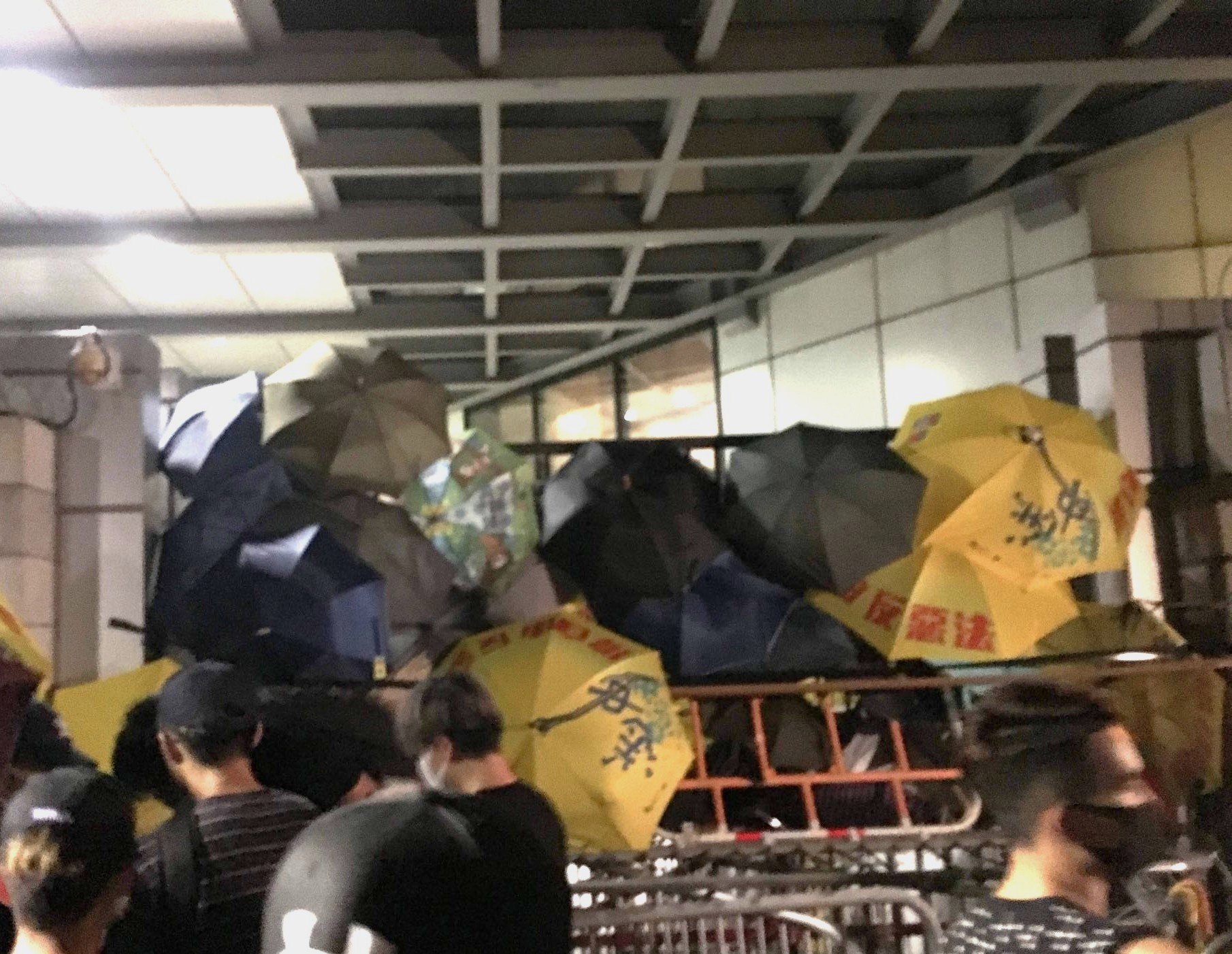

The Umbrella Revolution (or the 2014 Hong Kong protests) was a 79-day massive civil disobedience movement triggered by a decision from China’s Standing Committee of the National People’s Congress (NPCSC).
The Core Conflict
The NPCSC proposed a framework for the 2017 Chief Executive election that allowed for “universal suffrage” but required candidates to be pre-screened by a pro-Beijing nominating committee. Protesters, led largely by student groups like Scholarism and the Hong Kong Federation of Students, alongside the Occupy Central with Love and Peace movement, viewed this as a “fake democracy.”
Key Events
- The Catalyst: On September 26, 2014, activists stormed “Civic Square,” leading to arrests that galvanized thousands to take to the streets.
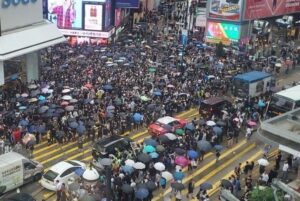
- The Name: When police used tear gas to disperse crowds on September 28, protesters used umbrellas to shield themselves. This image became the global symbol of the movement.
- The Occupation: Major thoroughfares in Admiralty, Causeway Bay, and Mong Kok were occupied, turning into makeshift villages with study areas and art installations.
Outcome
Despite the scale of the protests, the government made no concessions regarding the electoral framework. The camps were cleared by police in December 2014. While it didn’t achieve immediate policy change, the revolution birthed a new generation of “localist” activists and fundamentally altered the political consciousness of Hong Kong.